
Starter motor repair mobile services involve certified mechanics traveling directly to your vehicle’s location to diagnose and replace faulty starter components. This on-site solution eliminates the need for expensive towing when a car will not run, providing immediate testing of the battery, alternator, and starter motor to ensure an accurate repair.
There is perhaps no feeling more sinking for a driver than turning the key or pressing the ignition button and hearing nothing but a hollow click or an ominous grinding noise. When your vehicle refuses to start, it transforms from a valuable asset into an immobile obstacle. Traditionally, this scenario required arranging a tow truck, waiting for hours, and paying a premium just to get the vehicle to a repair shop. However, the automotive industry has evolved. Starter motor repair mobile services have become the preferred solution for non-starting vehicles, offering a blend of convenience, speed, and technical expertise that traditional shops struggle to match.
The Critical Advantage of Mobile Starter Repair
When a starter motor fails, the vehicle is effectively dead weight. Unlike a failing brake pad or a slipping belt, you cannot limp the car to a garage. This specific failure mode makes mobile mechanics the most logical solution. By bringing the shop to the car, you bypass the logistical nightmare of transporting a non-runner.
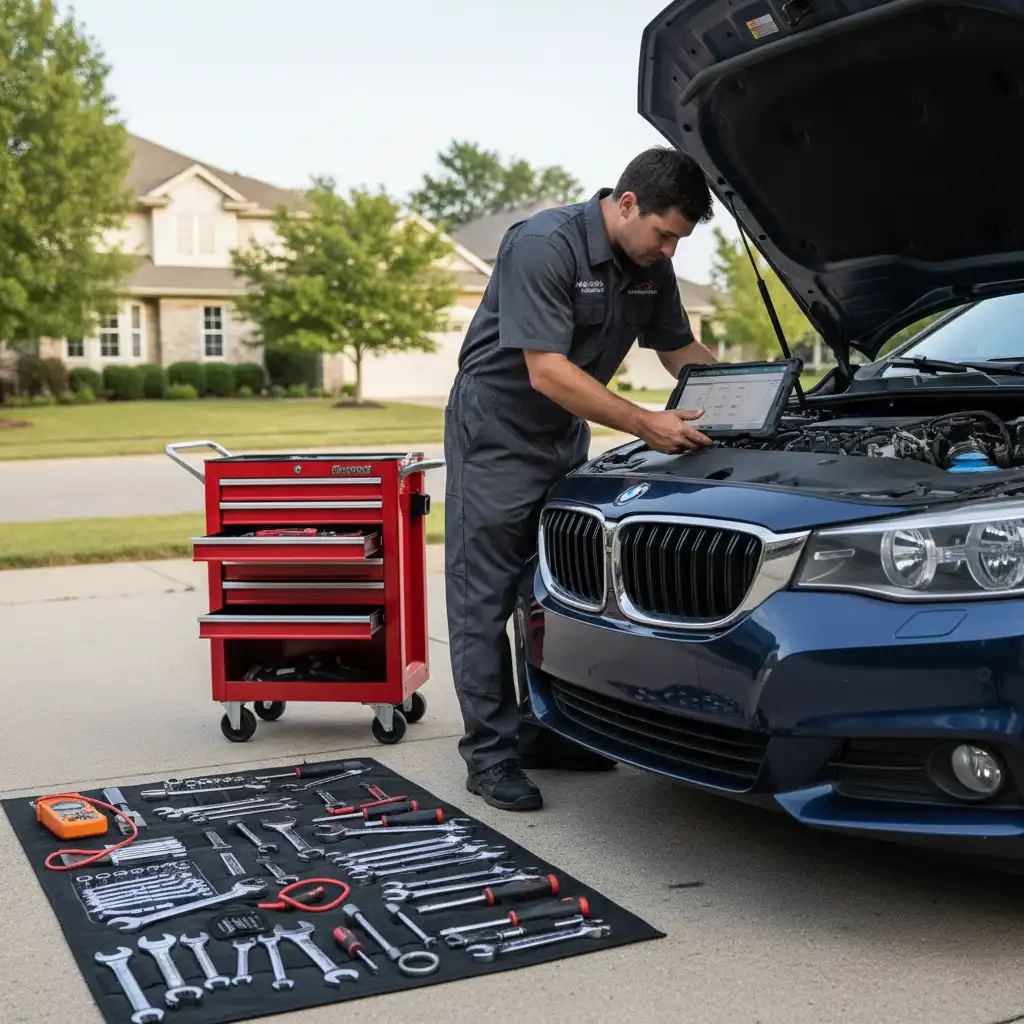
Mobile repair units are equipped with diagnostic tools, jacks, stands, and the necessary hand tools to perform complex repairs in driveways, office parking lots, or even on the roadside. The primary benefit is the elimination of towing fees, which can range from $75 to over $150 depending on the distance. Furthermore, mobile services offer transparency. You are often able to speak directly with the technician working on your car, watching the process and understanding exactly what failed and why.
Diagnosing the Problem: Clicks, Grinds, and Silence
Before calling for a mobile repair, it is helpful to understand the symptoms. A starter motor is a high-torque electric motor that physically spins the engine to begin the combustion cycle. When it fails, it usually gives specific auditory clues. Understanding these sounds can help you communicate effectively with your mobile mechanic.
The Dreaded “Single Click”
If you turn the key and hear a loud, singular metallic “clunk” or “click,” this often indicates that the starter solenoid is engaging, but the motor itself is not spinning. The solenoid is an electromagnetic switch that pushes the starter gear forward to mesh with the engine’s flywheel. If the internal contacts are worn or the motor is seized, the solenoid will click forward, but the engine won’t turn over.
Rapid Clicking (Machine Gun Sound)
A rapid-fire clicking noise is frequently misdiagnosed as a bad starter, but it is more commonly a symptom of low voltage. The battery has enough power to engage the solenoid, but as soon as the starter motor tries to draw heavy current, the voltage drops, the solenoid disengages, voltage rises, and the cycle repeats rapidly. While this usually points to the battery, a starter with a short circuit can also draw excessive amperage, mimicking a dead battery.
Grinding Noises
A harsh grinding sound suggests a mechanical failure rather than an electrical one. This usually means the teeth on the starter pinion gear or the engine’s flywheel are worn or broken. If the starter gear does not retract properly after the engine starts, it will be spun by the engine at high speeds, destroying the internal bearings. This condition requires immediate attention to prevent damage to the flywheel, which is a much more expensive repair.
Freewheeling (Whirring Sound)
If you hear a high-pitched whirring sound like a vacuum cleaner but the engine doesn’t crank, the starter motor is spinning, but the Bendix drive (the mechanism that pushes the gear out) is not engaging with the engine. This internal mechanical failure necessitates a full replacement of the starter unit.
Differential Diagnosis: Starter, Ignition Switch, or Battery?
One of the most common pitfalls in DIY auto repair is replacing the starter when the issue lies elsewhere. A professional mobile mechanic will perform a differential diagnosis to rule out other culprits before unbolting the starter.
The Electrical Path:
To start a car, electricity must flow from the battery → through the ignition switch → through a relay → to the starter solenoid → into the starter motor. A failure at any point in this chain results in a non-start.
- The Battery: The most common cause of starting failure. A technician will use a load tester to ensure the battery has sufficient Cold Cranking Amps (CCA). If the battery is weak, a new starter won’t help.
- The Ignition Switch: If turning the key produces absolutely no sound—no clicks, no fuel pump hum—the issue might be the ignition switch itself or a security immobilizer issue. If the signal never leaves the steering column, the starter never gets the command to engage.
- Neutral Safety Switch: Automatic vehicles have a safety switch that prevents starting unless the car is in Park or Neutral. If your car starts in Neutral but not Park, the starter is fine; the safety switch is the culprit.
For a deeper understanding of how these electrical systems interact, reputable sources like Car Care Council provide extensive educational resources on vehicle electrical systems.
The Mobile Starter Replacement Process Explained
Once the diagnosis confirms a faulty starter, the mobile replacement process begins. While every vehicle is different, the general workflow demonstrates the complexity and labor involved.
1. Safety and Preparation
The technician first disconnects the negative battery terminal. This is a non-negotiable safety step. The starter motor is connected directly to the battery via a thick positive cable. Accidental contact with a wrench between this terminal and the metal frame of the car can cause massive arcing, welding the tool to the frame, or even causing the battery to explode.
2. Access and Removal
Accessing the starter can be simple or incredibly difficult. On some trucks, it is easily accessible from underneath. On modern compact sedans with transverse engines, the starter may be buried under the intake manifold or exhaust headers. The mobile mechanic may need to remove air intake ducts, splash shields, or other components to reach the mounting bolts.
3. Electrical Disconnection
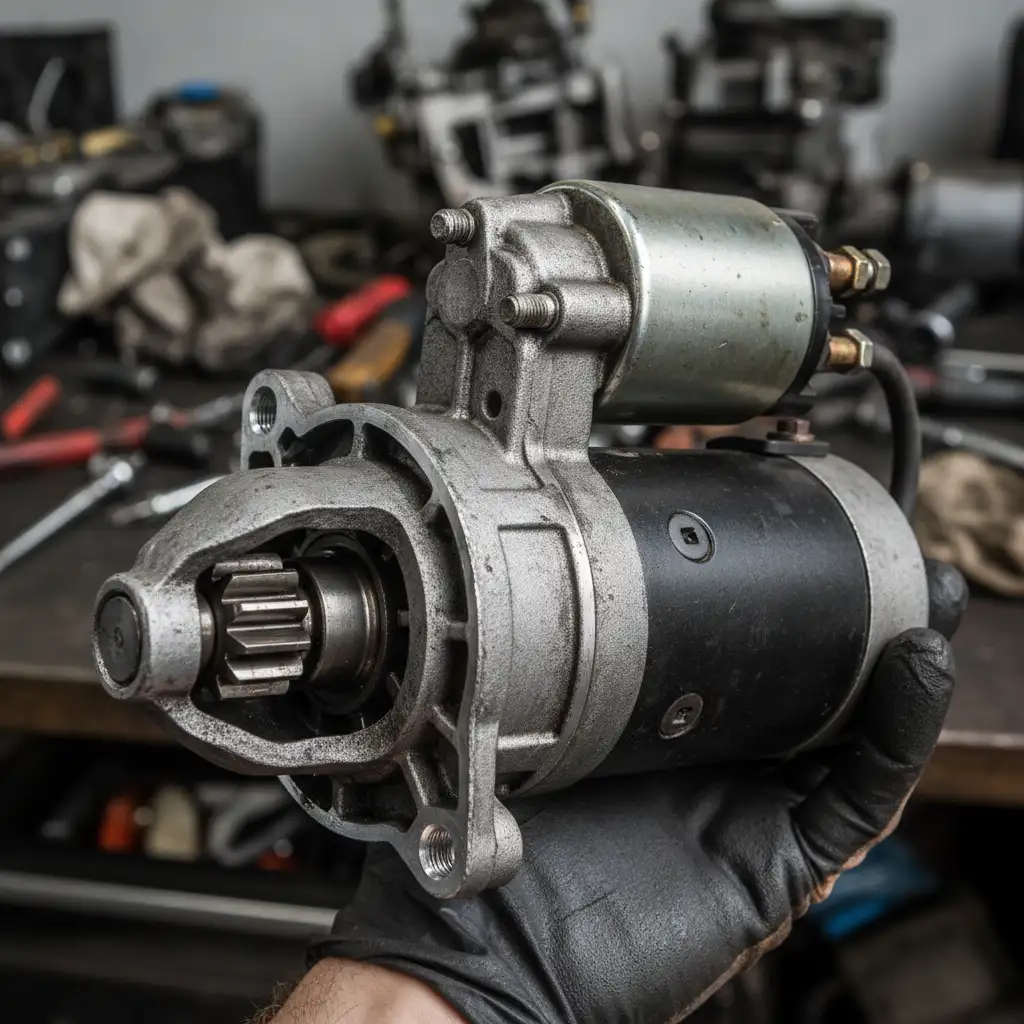
There are typically two electrical connections: the large B+ terminal (direct battery power) and the smaller ‘S’ terminal (signal wire from the ignition). These are often corroded due to their exposure to road elements. Great care must be taken not to snap the fragile signal wires during removal.
4. Unbolting and Extraction
The starter is held to the transmission bell housing or engine block by two or three high-torque bolts. Removing these often requires extensions and swivel sockets. Once unbolted, the heavy unit is extracted. The technician will inspect the flywheel teeth through the opening to ensure the engine ring gear is not damaged.
5. Installation and Testing
The new unit is installed, bolts are torqued to manufacturer specifications, and electrical connections are cleaned and tightened. After reconnecting the battery, the system is tested multiple times to ensure consistent engagement and smooth operation.
Cost Analysis: Mobile Mechanics vs. Traditional Shops
Cost is a significant factor for vehicle owners. Generally, starter motor repair mobile services are competitively priced, often coming in lower than brick-and-mortar dealerships.
The Breakdown:
- Parts: The cost of the starter motor itself varies wildly by vehicle, ranging from $100 for a remanufactured unit for an older sedan to over $400 for an OEM unit for a luxury vehicle. Mobile mechanics often have partnerships with parts suppliers to get commercial rates.
- Labor: Mobile mechanics typically charge an hourly rate or a flat job rate. Because they do not have the overhead of a physical shop (rent, utilities, front desk staff), their labor rates can be 10-20% lower than independent shops and up to 40% lower than dealerships.
- The Hidden Savings: The true value lies in the $0 towing cost and the time saved. You do not lose a day of work shuttling back and forth to a garage.
However, quality matters. Ensure your mobile service provider uses high-quality parts. Cheap, low-quality rebuilds are prone to early failure, leading to a repeat of the same situation. According to automotive data from Consumer Reports, using OEM or high-grade aftermarket parts significantly reduces the likelihood of recurrent repairs.
Extending the Life of Your Starting System
While starters eventually wear out (brushes wear down, solenoids stick), certain habits can accelerate their demise. To get the most out of your new starter:
- Check for Oil Leaks: Oil leaking from the engine often drips down onto the starter motor. Over time, this oil penetrates the casing, gumming up the internal brushes and causing premature failure. Fixing valve cover leaks can save your starter.
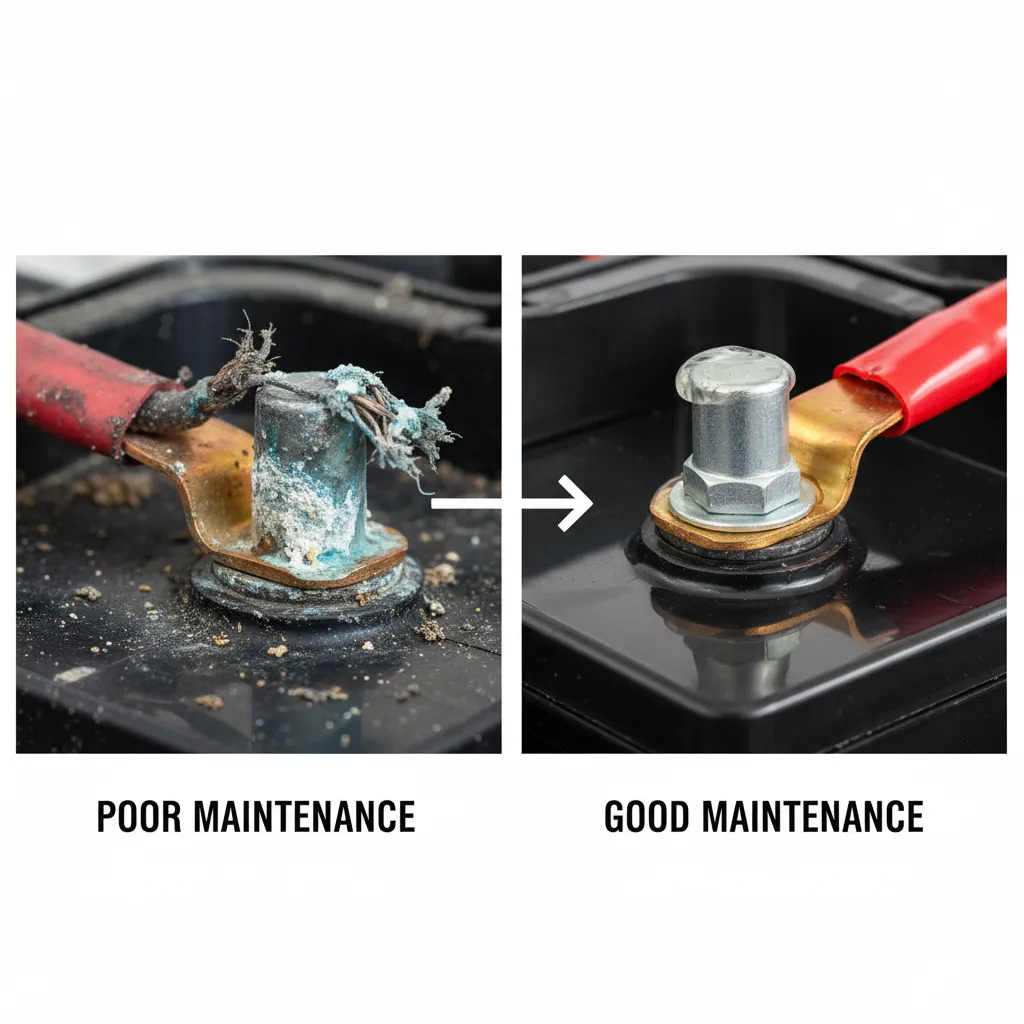
- Keep Connections Clean: Corrosion on battery terminals increases electrical resistance. This forces the starter to work harder to draw the same amount of power, generating excess heat.
- Don’t Crank Too Long: If a car doesn’t start immediately, do not hold the key in the “start” position for more than 10 seconds. Allow the starter to cool down for at least 30 seconds between attempts to prevent overheating the internal windings.
By opting for a mobile repair service, you choose efficiency and convenience without sacrificing quality. Whether you are stuck in your driveway or an office parking lot, a qualified mobile mechanic can turn a non-starting crisis into a resolved issue in a matter of hours.
People Also Ask
How much does it cost to replace a starter motor with a mobile mechanic?
The total cost typically ranges between $300 and $600, depending on the vehicle make and model. This includes the cost of the starter motor part and the labor. Luxury vehicles or cars where the starter is difficult to access (requiring intake removal) will cost more.
Can a mobile mechanic fix a starter in a parking lot?
Yes, starter replacement is a standard service for mobile mechanics and can be performed safely in parking lots, driveways, or even roadside, provided the ground is level and stable for lifting the vehicle if necessary.
How long does it take to replace a starter motor?
For most vehicles, a starter replacement takes between 1 to 2 hours. However, if the starter is buried under other engine components like the intake manifold, the job can take 3 to 4 hours.
Is it better to repair or replace a starter motor?
In the context of mobile repair, replacement is almost always the better option. Field repairs of internal starter components are unreliable. Replacing the entire unit with a new or remanufactured starter ensures long-term reliability and usually comes with a warranty.
What are the symptoms of a bad starter versus a bad battery?
A bad battery often causes dim lights and a rapid clicking sound. A bad starter often produces a single loud click or no sound at all, even when the headlights and radio are working perfectly.
Will the mobile mechanic bring the new starter?
Yes, most mobile mechanic services include parts sourcing. They will identify the correct part for your vehicle, purchase it from a supplier, and bring it to the appointment. You can also request to provide your own part, though this may affect the warranty.